New Study Shows Timing of Ebola Booster Shots Key to Stronger, Lasting Protection
Thu, Apr 30, 2026
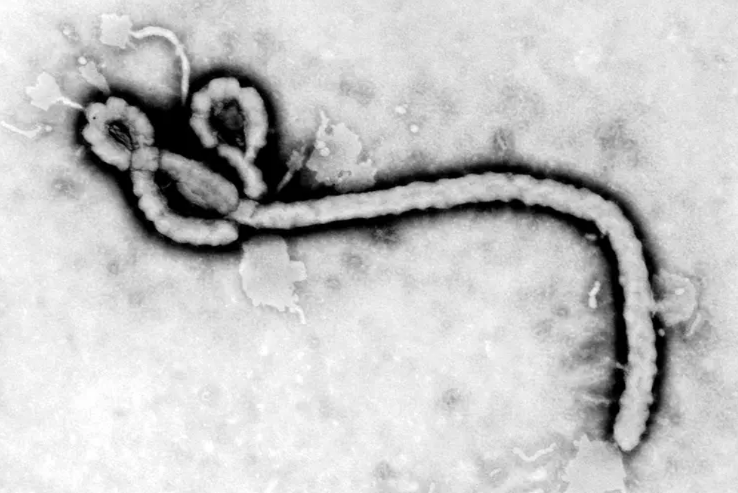
Ebola, a rare but life-threatening condition caused by infection with the Ebola virus, can lead to severe outbreaks with high mortality rates and a global health burden.
A recent study published in Nature Immunology, entitled “Improved VSV-Ebola-GP booster vaccination approach promotes antibody affinity maturation and durable anti-Ebola immunity in humans,” reveals how modulating the timing of Ebola vaccine doses can strengthen the body’s immune response, providing critical guidance for vaccination strategies.
Currently, the FDA-licensed vaccine called ERVEBO is being used as a single-dose preventative vaccine during outbreaks. However, for various reasons, breakthrough Ebola virus infections and associated adverse outcomes have still been observed in some vaccinated individuals, although mortality and disease severity are reduced. In this study, researchers examined the effects of delaying booster doses of the vaccine. Using a sophisticated suite of immunological techniques, the team measured antibody levels and memory immune cells in individuals with and without the delayed booster shots.
They found that giving the booster 18 months after the initial dose significantly improved both the strength and durability of the immune response. Follow-up studies showed that the antibody levels in these individuals remained high even after another year and a half. Moreover, the antibodies from this cohort also showed evidence of affinity maturation, indicating enhanced abilities to bind to and clear viral particles.
This work provides important insights not only for Ebola outbreak preparedness but also for global health strategies on a grander scheme toward the aim of enhancing durable immune protection in global populations.