
NIH Awards $7.3 Million Grant to Team Advancing HCV Vaccine Research
Tue, Jul 28, 2026
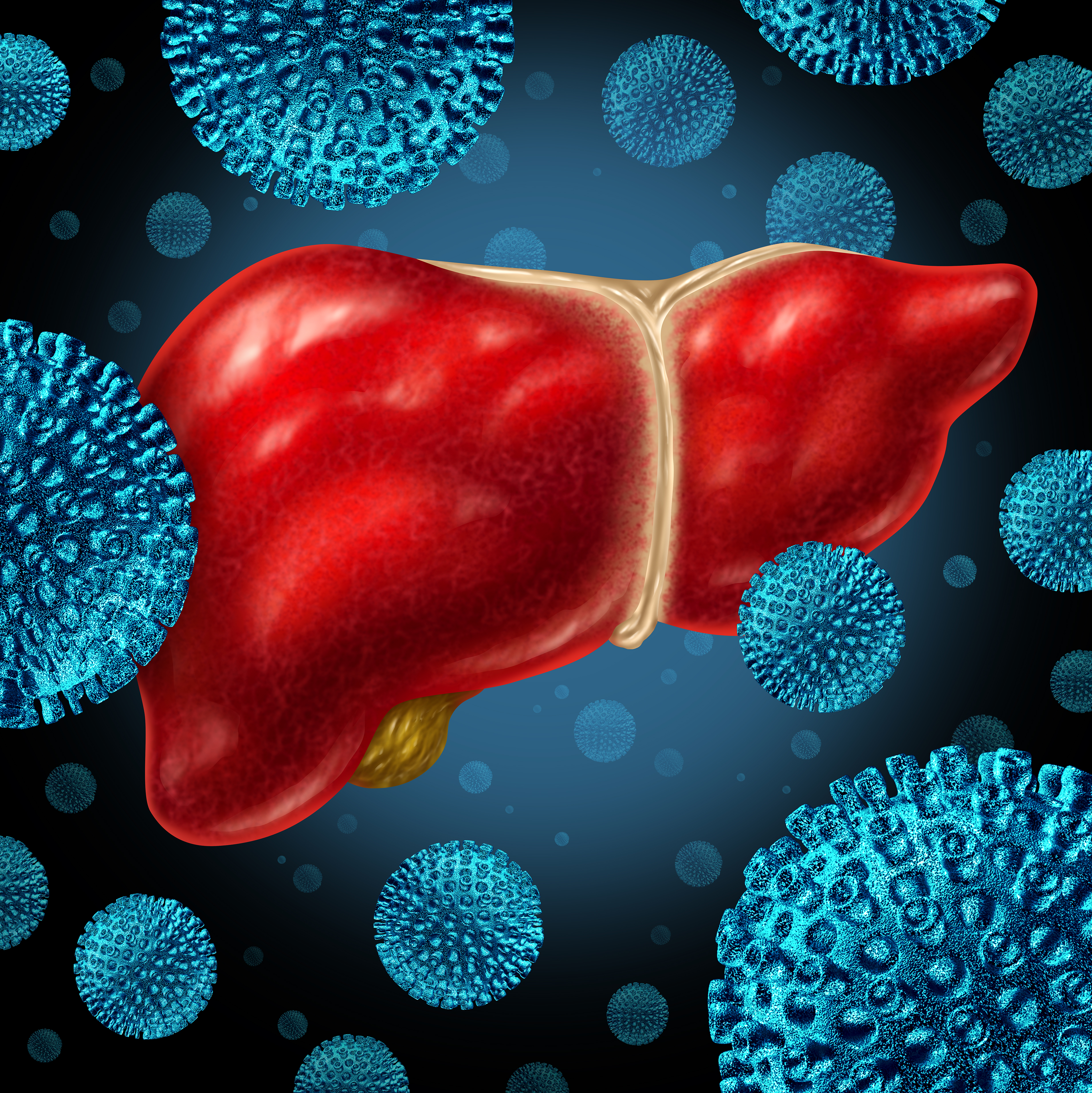
We are proud to congratulate IBBR researchers who have recently been awarded a five-year, $7.3 million NIH R01 grant (1R01AI198503 – 01). The award will advance longstanding efforts toward development of a vaccine against Hepatitis C virus (HCV).
The project, “Structural and biochemical characterization of phenotypically distinct classes of HCV E1E2 glycoproteins critical for vaccine development,” is led by Dr. Thomas Fuerst, IBBR Fellow, Director of the Consortium for Glycoengineering of Advanced Biologics at IBBR, and Professor in the Department of Cell Biology and Molecular Genetics at University of Maryland, College Park. The project team also includes collaborators Drs. Brian Pierce, Eric Toth, Gilad Ofek and Sasha Andrianov from University of Maryland, Dr. Mansun Law from The Scripps Research Institute, and Dr. Justin Bailey from Johns Hopkins University.
HCV is known as the “silent epidemic” because the infection goes unnoticed in most individuals and shows no signs of symptoms for decades, all while the virus progressively damages the liver. Although progress has been made in developing antiviral therapies, no preventive vaccine currently exists, and people using antiviral therapies can become reinfected. With an estimated 1-2 million new infections every year, HCV remains a major global health challenge and the leading cause of liver cancer. The complex structure and sequence variability of the viral surface envelope proteins, E1E2, have posed historical challenges in developing an effective vaccine thus far. However, this group of researchers have made substantial progress over the past several years using advanced structural biology, immunology, and biochemical techniques.
The group’s latest paper published earlier this year in Nature Communications, built on their progress by engineering a stable, native-like E1E2 complex, attaching the complexes to nanoparticles, and testing these vaccine candidates for their ability to elicit immune responses. The team will continue to evaluate vaccine candidates and characterize antigenic differences among diverse HCV strains. This award will support the next phase of the project and represents an important step toward the development of a broadly neutralizing HCV vaccine that can transition into clinical studies.